Community Youth Programmes: UK Mentorship, Education & Wellbeing
Across the UK, from community centres to esports arenas, a vital conversation is unfolding about how we support the next generation. Today’s youth navigate a complex world, blending physical communities with expansive digital landscapes. The mission of modern youth programmes has evolved to meet these challenges head-on, focusing on holistic development, digital literacy, and proactive wellbeing. This blog explores the critical pillars of this support system: fostering mentorship, providing responsible gambling education, and promoting healthy engagement with the booming world of esports and gaming.
The Heart of UK Youth Mentorship
At the core of effective youth development lies structured mentorship—a powerful relationship that provides guidance, stability, and opportunity. In the UK, long-standing initiatives like The Prince’s Trust and the National Citizen Service (NCS) have pioneered frameworks that connect young people with positive role models. These programmes move beyond simple advice, offering practical pathways to skills, employment, and civic engagement. They create safe spaces where young individuals can explore their potential, turning uncertainty into ambition and isolation into belonging.
Building Confidence Through Connection
Effective mentorship is transformative because it builds foundational confidence. A consistent, supportive relationship helps young people develop resilience, communication skills, and a stronger sense of self-worth. Programmes facilitated by organisations like The Prince’s Trust often pair participants with mentors from various professional backgrounds, demonstrating tangible career paths and life skills. This one-to-one connection is a proven buffer against social exclusion and a springboard for personal growth.
Success Stories from Local Programmes
The impact of these initiatives is best seen in local success stories. From a teenager gaining the courage to start their own business after a Prince’s Trust course to a group of NCS participants revitalising a local park, the outcomes are deeply personal and community-focused. These stories highlight how structured support can redirect energy into positive achievements, proving that with the right guidance, young people become powerful agents of change in their own lives and neighbourhoods.
Responsible Gambling Education for Young Adults
As the digital environment blurs lines between gaming, social media, and gambling, early education on betting risks has never been more crucial. Initiatives like the Young People’s Gambling Harm Prevention Programme and the dedicated Youth Outreach teams at GamCare are leading the charge. Their work focuses on equipping young adults with the knowledge to navigate an online world where gambling advertisements are pervasive and the mechanics of some video games can mimic gambling activities.
Identifying Risks in a Digital Age
The first step in prevention is awareness. Young adults need help identifying the subtle risks embedded in their digital routines. This includes understanding the persuasive design of betting adverts on social media, the potential financial pitfalls of fantasy sports, and the psychological hooks of in-game purchases. Education programmes work to demystify the industry’s tactics and highlight the real-world consequences of gambling harm, which can affect mental health, finances, and relationships.
Practical Tools for Safer Choices
Beyond identification, effective education provides practical strategies. This involves teaching budgeting skills, promoting critical thinking about advertising, and signposting to confidential support services like those offered by GamCare. Workshops in schools and community centres encourage open discussions, breaking down stigma and empowering young people to make informed, safer choices for their entertainment and financial wellbeing.
Esports Awareness and Gaming Addiction Prevention
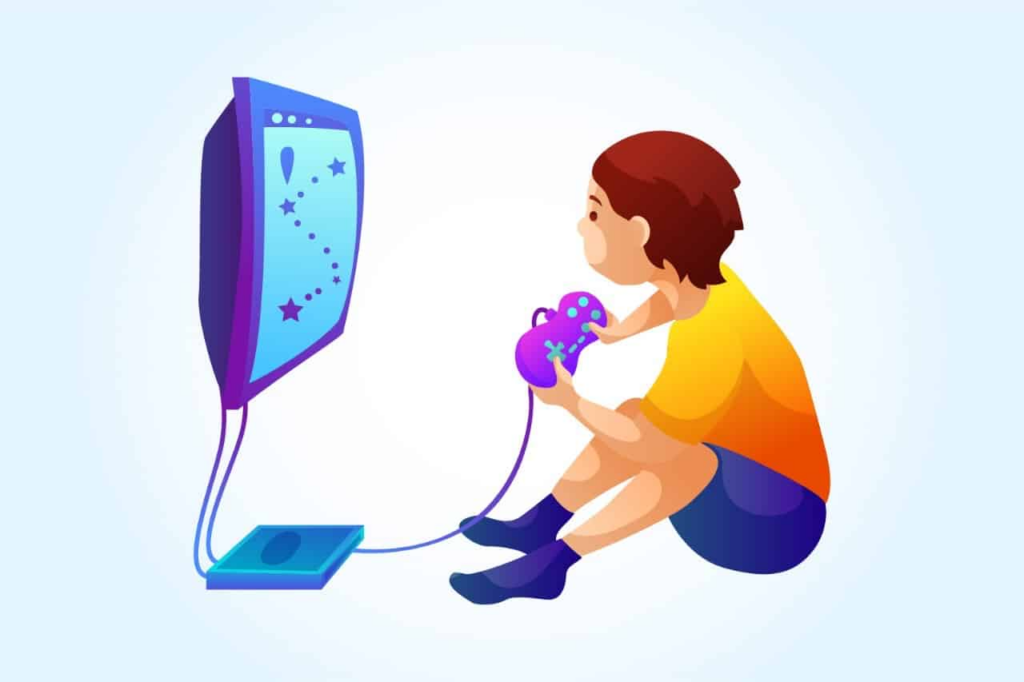
The rise of competitive gaming presents a unique duality: it offers legitimate career paths and community for many, while also carrying risks of excessive play for some. Balancing esports awareness with gaming addiction prevention is a key challenge for modern youth support. This requires engaging with the UK video games industry, educators, and parents to separate healthy passion from problematic behaviour.
The Positive Side of Competitive Gaming
When approached healthily, esports can foster incredible skills. Team-based games cultivate strategic thinking, communication, coordination, and perseverance. The esports ecosystem also opens doors to careers not just in playing, but in coaching, event management, broadcasting, and game development. Community gaming clubs and school esports leagues provide structured, social environments where these positives can flourish under a framework of balance and moderation.
Recognising and Addressing Problematic Play
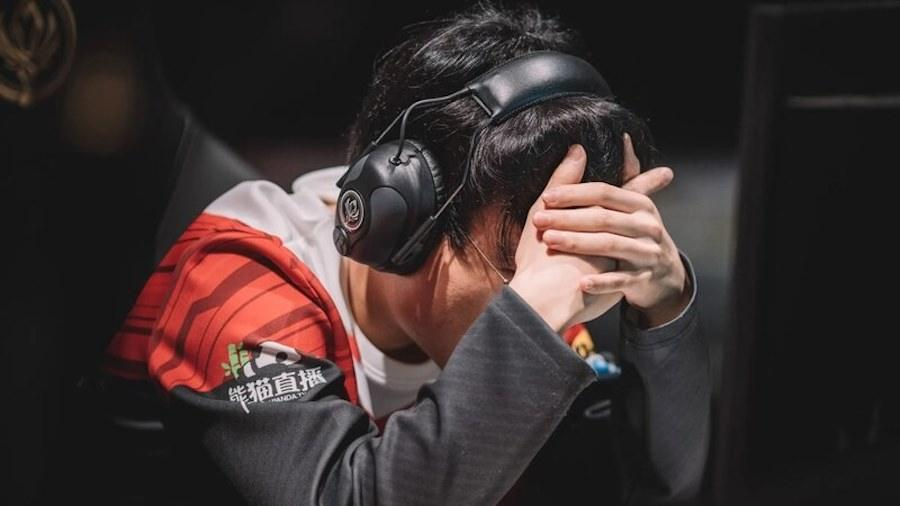
Prevention starts with recognising the signs of gaming addiction, which can include neglecting basic needs, withdrawal from offline relationships, and using games solely as an emotional escape. Community programmes are increasingly integrating digital wellbeing modules that teach young adults to self-regulate their screen time, recognise emotional triggers, and maintain a diverse set of interests and social connections outside the digital realm.
Conclusion
Proactive, informed support within our communities is the undeniable key to fostering resilient and healthy young adults. By intertwining robust mentorship with candid education on digital risks—from gambling harms to balanced gaming—we empower the next generation to thrive both online and off. The work of organisations across the UK provides a blueprint for this holistic approach. We all have a role to play. Explore local youth programmes, start conversations about digital wellbeing, and champion the resources that build a safer, more supportive environment for every young person.